













How To Pack A Surfboard For Travel
Booking a surf trip will always and forever be ultra exciting.
New surf spots, different waves, maybe even a new country. But if you’re flying with your own board, there’s always that little bit of stress in the back of your mind.
Will it survive the plane? Will baggage handlers throw it around? Will I unzip it to find it's been driven over, beaten or body slammed by ground staff?
Honestly, we’ve seen it all. Pressure dings, cracked rails, crushed tails.
The good news is most of it’s avoidable. If you understand how to pack properly and use the right surfboard bag, you can seriously reduce the risk.
This guide breaks down exactly how to pack a surfboard for travel, whether it’s air travel, a long road trip or heading overseas. Take it from our crew... a few tips and the right protection can prevent damage and save your trip before it even starts.
Why Packing Your Surfboard Properly Matters
A surfboard is built for surfing, not airport handling.
Once you check it in, your board bag joins oversized luggage. It gets stacked under a heavy bag, wedged in cargo holds and moved around by baggage handlers who aren’t thinking about your rail shape.
Temperature changes during air travel can also affect boards. Add impacts and bumps in transit and you’ve got real risk.
Repairs cost money. Worse, they cost time during your trip. And that's assuming you have someone who can repair significant board damage in the zone you're heading to.
Spending an extra half hour packing surfboards properly is way cheaper than scrambling for a ding repair near your destination.
What You’ll Need To Pack A Surfboard
Before you start the process, get everything together first. The first thing you want to avoid is halfway putting protection on and realising you’re missing tape.
Here’s what you’ll need:
-
A properly sized surfboard travel bag or board bag
-
Bubble wrap
-
Foam pipe insulation or pipe insulation
-
A board sock or surfboard sock (optional internal layer)
-
Cardboard sheets
-
Pool noodles (optional alternative to foam pipe insulation)
-
Duct tape or masking tape
-
Plastic wrap (optional for added protection)
-
Fin key and small tool kit
-
Towels, shirts or even a wetsuit for extra padding
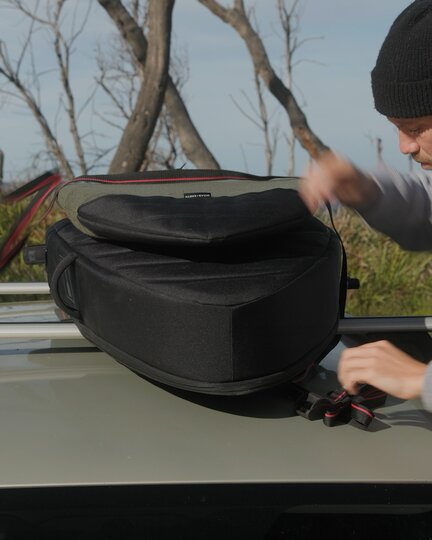
Choosing the right surfboard bag matters. Day bags work for car trips. Heavier coffin-style travel bag options are better for flying, especially if you carry more than one board. The right surfboard bag should fit snug, not too tight and not oversized.
If you need proper surfboard covers or accessories, you’ll find them at Natural Necessity.
Step-by-Step: How To Pack A Surfboard For Travel
Step 1: Remove the Fins
First thing, remove fins. Always.
-
Leaving fins in is one of the most common packing mistakes
-
Fins can crack fin boxes or punch through the bag if the board takes a hit
-
Use your fin key, remove fins and wrap them separately in bubble wrap or towels
-
Lay them inside the bag in a secure spot. It’s also smart to add a little cardboard or foam over the fin boxes for protection
Step 2: Protect the Rails
Rails are the most fragile part of a surfboard.
-
Simply cut foam pipe insulation or pool noodles lengthwise and slide them over the rails from nose to tail
-
If you don’t have that, wrap thick bubble wrap around the rails and tape it down
-
Don’t pull tape too tight. You want secure protection without creating pressure stress
-
The goal is to protect and absorb impacts, not squeeze the board
Step 3: Add Nose and Tail Protection
The nose and tail are high-impact zones.
-
These are the areas most likely to get hit when baggage handlers move your bag
-
Wrap extra padding around the nose and tail. Double-layer the bubble wrap here
-
Add cardboard reinforcement if you’ve got it
-
Extra padding on both ends goes a long way to prevent damage during air travel
Step 4: Layer the Deck and Bottom
Now wrap the entire surfboard.
-
Lay cardboard sheets along the deck and bottom to spread pressure
-
Add bubble wrap over both sides. Towels, shirts, a wetsuit or other soft gear can fill gaps and act as added protection
-
If you’re packing more than one board, stack them deck-to-deck with padding between each one
-
Same process for each board. Protect rails individually before stacking
-
Heaviest board on the bottom, lighter board on top. Make sure nothing shifts inside
Step 5: Secure Inside a Quality Travel Bag
Slide the wrapped board into your surfboard travel bag.
-
The bag should be snug but not tight. A bag that’s too big allows movement. A bag that’s too tight creates stress
-
Use internal straps if the bag has them. Tighten enough to secure but not compress. Add extra stuff like towels around the nose and tail if there’s space
-
Check the total weight before heading to the airport. A heavy bag can cost extra with your airline
-
Consider adding a fragile sticker on the outside. It might be an ambitious move, but it doesn’t hurt either
How To Pack Multiple Surfboards
If you’re travelling with more than one board, the stacking process matters.
-
Protect each board individually
-
Stack deck-to-deck
-
Add padding between boards
-
Put the heaviest board on the bottom
-
Balance weight evenly
Fill empty gaps with towels or gear so boards can’t move. Once zipped, give the bag a gentle shake. If you feel movement, add more padding.
Surfboard Travel Tips For Flights
Before you fly, check your airline’s surfboard policy. Some require pre-booking of oversized baggage. Some limit size and weight.
-
Book early if needed. It’s cheaper than paying at the airport
-
Label your bag clearly with your name, number and destination. Bright straps help identify it fast
-
Take photos of your board before check-in. If something goes wrong, you’ve got proof for security or insurance
-
Some people travel with insurance that covers sporting gear. The money is little consolation if you arrive only to find your boards smashed into smithereens, but it definitely softens the hurt if you can get some money back
Road Trip vs International Travel: What Changes?
For car trips, you can pack lighter. A board sock inside day bags with rail protection is often enough if the board is secure in the vehicle.
Domestic flights require moderate protection. International air travel means maximum protection. Use coffin travel bag options, thicker padding and careful stacking. Think worst-case scenario and pack accordingly. Adjust protection based on risk.
Common Surfboard Packing Mistakes To Avoid
Avoid these common errors:
-
Forgetting to remove fins
-
Using the wrong bag size
-
Not protecting rails properly
-
Skipping nose and tail padding
-
Over-tight taping
-
Forgetting your fin key at home
-
Leaving wax thick on the board in hot destinations
If we can give you one piece of advice here, it's this: take your time. Rushing the process leads to mistakes. Travelling with a surfboard bag is kinda of annoying. But you can give yourself more peace of mind if you pack early and take things slow.
Final Thoughts
Knowing how to pack a surfboard for travel properly can make or break your trip. Whether you’re heading to remote surf spots or flying internationally, careful packing massively reduces the chance of damage.
Remove fins. Protect rails. Reinforce nose and tail. Use bubble wrap, cardboard, towels and the right surfboard bag. Add extra padding where needed and secure everything properly. A little effort before you leave means your board arrives ready for surfing, not repairs.
Oh, and if you’re gearing up for your next surf trip, check out surfboard travel bags, covers and accessories at Natural Necessity. We've got a bunch of options to suit all budgets!
Browse our range of premium surfboard travel bags and covers now